The Ultimate Guide to Engine Types: Layouts, Reliability, and Performance
When shopping for a car or deep-diving into automotive specs, you’ll encounter terms like V6, Inline-4, or Boxer engine. But what do these actually mean for your driving experience?
Post by: Sawiva | 2025-08-06 12:09:42
When shopping for a car or deep-diving into automotive specs, you’ll encounter terms like V6, Inline-4, or Boxer engine. But what do these actually mean for your driving experience?
Whether you're a DIY mechanic or a car buyer, understanding engine architecture is key to predicting maintenance costs, fuel efficiency, and long-term reliability.
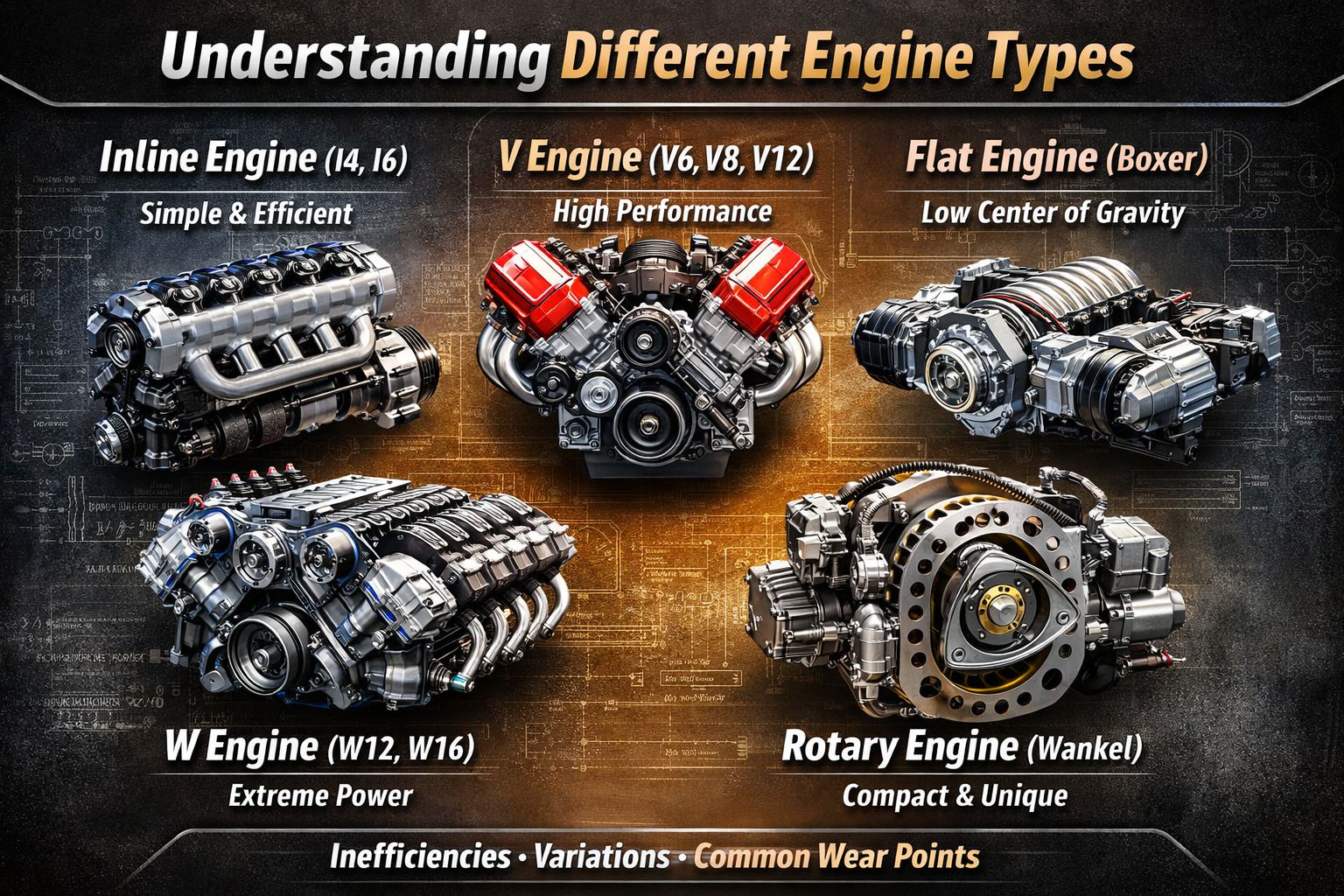
Quick Comparison: Which Engine Layout Is Best?
| Engine Type | Best For | Key Advantage | Major Downside |
| Inline (Straight) | Daily Drivers | Simple & Reliable | Can be bulky/long |
| V-Engine | Trucks & Sportscars | Compact Power | Expensive to repair |
| Flat (Boxer) | Handling/Performance | Low Center of Gravity | Prone to oil leaks |
| Rotary | High-Rev Racing | Power-to-Weight Ratio | Poor fuel economy |
1. Inline Engines (The "Straight" Configuration)
The Inline engine (also known as a Straight engine) features cylinders arranged in a single file line.
-
Popular Configurations: I3, I4 (most common), and I6 (the "gold standard" for smoothness).
-
Pros: Lower manufacturing costs and easier access for mechanics.
-
Cons: Physical length limits how many cylinders can fit under a standard hood.
Common Maintenance Issues:
-
Head Gasket Failure: Since all cylinders share a single long head, overheating can warp the entire unit.
-
Timing Chain Stretch: Longer chains used in I6 engines are prone to "stretching" over 100k miles, leading to rattle or timing skips.
2. V-Engines (The Compact Powerhouse)
A V-engine splits cylinders into two banks angled in a "V" shape. This allows for more power (like a V8) without requiring a massive engine bay.
-
Popular Configurations: V6 (SUVs/Sedans), V8 (Muscle/Trucks), V12 (Exotics).
-
Pros: Shorter length allows for better "packaging" and more cabin space.
-
Cons: Dual cylinder heads mean double the gaskets, camshafts, and complexity.
Common Maintenance Issues:
-
Intake Manifold Leaks: The "valley" between the V banks often traps heat, degrading the gaskets over time.
-
Labor Costs: Replacing spark plugs on the "rear bank" of a transverse V6 is a notorious labor-intensive job.
3. Flat / Boxer Engines (The Performance Choice)
Used primarily by Subaru and Porsche, the Boxer engine lays its cylinders horizontally. The pistons move toward each other like two boxers punching.
-
Pros: The low profile drops the vehicle's center of gravity, significantly improving handling and stability.
-
Cons: The engine is very wide, making side-mounted components (like spark plugs) hard to reach.
Common Maintenance Issues:
-
Oil Leaks: Because the cylinders lay flat, gravity pulls oil toward the Valve Cover Gaskets and Spark Plug Tubes, leading to leaks as the car ages.
4. W-Engines (The Luxury Titan)
The W-engine is essentially two "V" engines joined together. It’s a rare, high-end configuration found in vehicles like the Bentley Continental or Bugatti.
-
Pros: Incredible power density; you can fit 12 or 16 cylinders in a space where others fit only 8.
-
Cons: Extreme heat generation and astronomical repair costs.
5. Rotary (Wankel) Engines (The Niche Icon)
Instead of pistons, the Rotary engine uses a triangular rotor that spins.
-
Pros: Virtually no vibration and a very high redline (RPM).
-
Cons: Poor thermal efficiency and high emissions.
-
The "Achilles Heel": Apex Seals. These seals at the tips of the rotor wear down, eventually requiring a full engine rebuild.
Why Does Engine Layout Matter for SEO and Buying?
When searching for your next vehicle, the engine layout dictates your Total Cost of Ownership (TCO).
-
Inline-4 is the king of low-cost maintenance.
-
V6/V8 provides the towing and torque needed for heavy-duty work.
-
Boxer/Rotary layouts are for driving enthusiasts who prioritize feel over fuel economy.
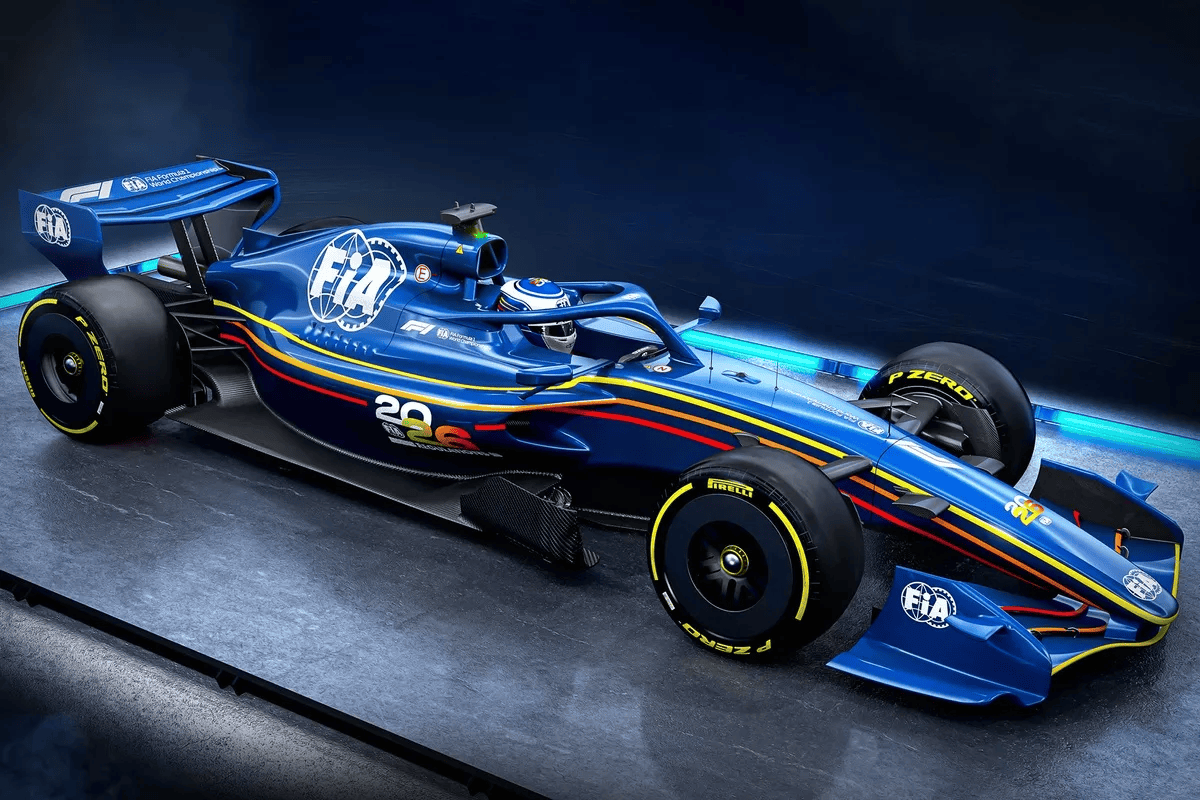
Engineering Innovations Introduced in the 2026 Formula 1 Era: What They Mean for the Future of Automotive Technology
The Latest in the EV Space: Innovations and Challenges in Spare Parts
Why Heat-Resistant Lubricants Are Essential in the Automotive Industry