Engineering Innovations Introduced in the 2026 Formula 1 Era: What They Mean for the Future of Automotive Technology
Discover the groundbreaking engineering innovations introduced in the 2026 Formula 1 regulations, including active aerodynamics, 50% hybrid power units, sustainable fuels, and the technologies likely to shape the future.
Post by: Sawiva | 2025-01-18 07:45:29
Engineering Innovations Introduced in the 2026 Formula 1 Era: What They Mean for the Future of Automotive Technology
Formula 1 has long been a testing ground for cutting-edge engineering and technological breakthroughs. Over the decades, innovations developed in F1—such as carbon-fiber chassis, hybrid power units, and advanced aerodynamics—have eventually found their way into everyday road cars.
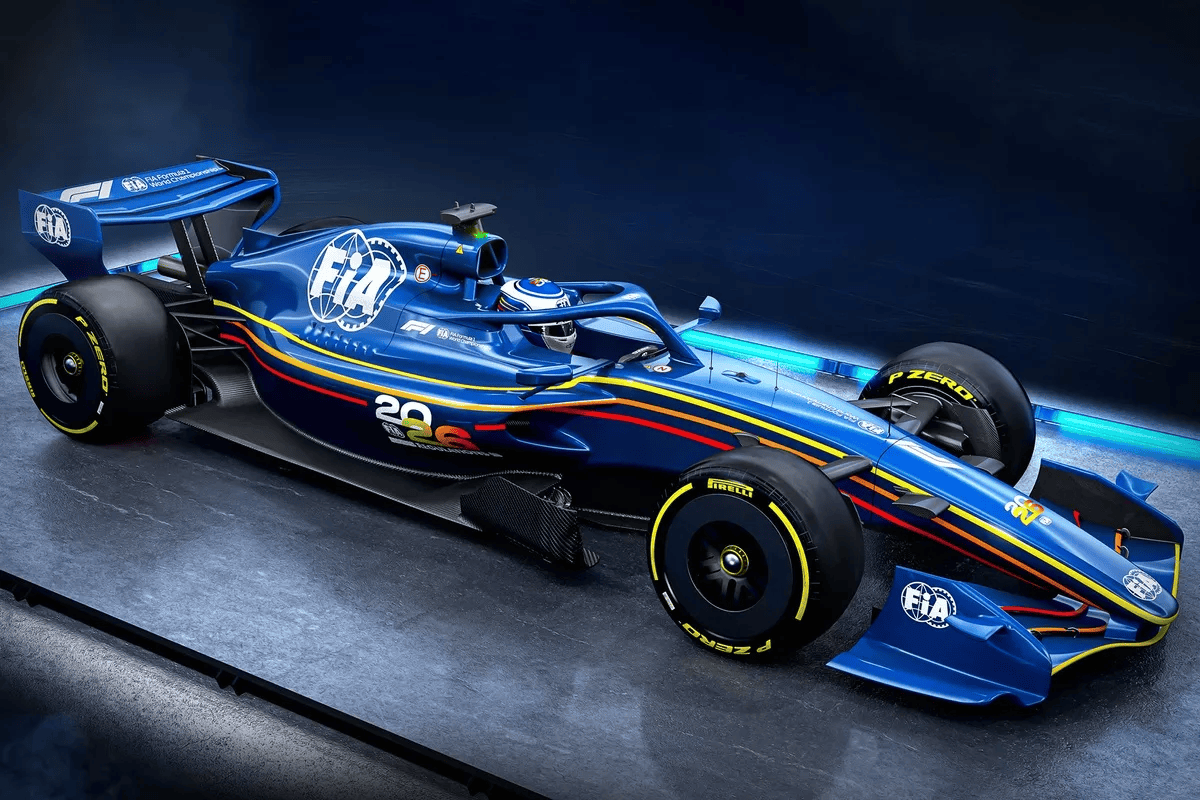
The 2026 Formula 1 regulation changes represent one of the largest technical transformations in the sport’s history. These new rules emphasize sustainability, electrification, efficiency, and intelligent aerodynamics, reshaping the engineering philosophy behind modern racing cars.
This article explores the major engineering innovations introduced in the 2026 F1 era and examines how these technologies could influence the future of everyday vehicles.
Active Aerodynamics: Replacing the DRS System
One of the most significant aerodynamic changes introduced in the 2026 regulations is the replacement of the Drag Reduction System (DRS) with active aerodynamics.
In previous F1 eras, DRS allowed drivers to open a section of the rear wing to reduce drag and increase top speed during overtaking. Under the new rules, cars now feature movable aerodynamic components on both the front and rear wings that can adjust dynamically during different phases of a lap.
Two primary aerodynamic configurations exist:
-
Straight-line mode: reduces aerodynamic drag to maximize top speed.
-
Cornering mode: increases down-force for improved grip in turns.
This system allows the car’s aerodynamic profile to adapt continuously depending on speed, track position, and driver inputs. Such technology requires sophisticated sensor networks, electronic control units, and real-time aerodynamic modeling (Formula 1, 2024).
From an engineering perspective, active aerodynamics represent a major shift toward adaptive vehicle performance systems that can automatically optimize stability and efficiency.
The New Hybrid Power Unit: 50% Electric Power
Another transformative innovation in the 2026 F1 regulations is the redesign of the hybrid power unit.
The new engines maintain the 1.6-liter V6 turbocharged internal combustion engine, but the hybrid component has been dramatically expanded. The electric motor known as the Motor Generator Unit–Kinetic (MGU-K) now produces approximately 350 kW of power, significantly more than in previous regulations.
As a result, the total power output of the car is now split roughly 50 percent between electric and combustion power.
Additionally, the Motor Generator Unit–Heat (MGU-H)—which previously recovered energy from exhaust heat—has been removed to simplify engine design and reduce costs (Federation Internationale de l’Automobile [FIA], 2023).
This shift pushes F1 further toward electrification while still maintaining the extreme performance characteristics expected from the sport.
100% Sustainable Fuels
Sustainability has become a major priority in modern motorsport. Beginning with the 2026 regulations, Formula 1 engines run entirely on 100% sustainable fuels.
These fuels are designed to be carbon neutral, meaning that the carbon emitted during combustion is balanced by carbon captured during the fuel’s production process. They can be produced from:
-
Captured atmospheric carbon
-
Biomass and organic waste
-
Synthetic chemical processes
Importantly, these fuels are designed as drop-in replacements, meaning they can be used in existing internal combustion engines without requiring major modifications (Formula 1, 2024).
If successfully commercialized, sustainable fuels could play a major role in reducing emissions in industries where electrification remains challenging, such as aviation and heavy transport.
Advanced Energy Management Systems
The increased electric power output of the 2026 F1 power unit requires extremely sophisticated energy management systems.
Drivers and teams now manage multiple energy deployment modes, including:
-
Overtake mode: temporary increase in electrical power output
-
Recharge mode: prioritizes battery recovery during braking
-
Balanced race mode: optimizes energy use across an entire race distance
This complex energy strategy requires advanced software models, predictive simulations, and high-speed telemetry to ensure that electrical energy is deployed efficiently during key moments of the race.
The result is a racing environment where software engineering and data analytics are as important as mechanical performance.
Smaller and More Efficient Car Designs
The 2026 technical regulations also introduce changes to the physical design of F1 cars.
Compared to previous generations, the new cars are:
-
Shorter in wheelbase
-
Lighter overall
-
Designed with lower aerodynamic drag
-
Equipped with narrower tires
These modifications aim to improve agility, increase overtaking opportunities, and enhance overall energy efficiency during races.
Reducing drag and optimizing aerodynamic efficiency are critical engineering goals that also translate directly into improved fuel economy and range in consumer vehicles.
High-Efficiency Energy Recovery Systems
Energy recovery systems have been a key feature of Formula 1 since the hybrid era began in 2014. However, the 2026 regulations significantly increase the amount of energy that can be recovered during braking.
The enhanced regenerative braking systems allow cars to convert more kinetic energy into electrical energy stored in the battery.
Engineering improvements include:
-
Higher capacity battery systems
-
Improved thermal management
-
More efficient power electronics
These advancements mirror the same technologies currently evolving in modern electric vehicles and hybrid cars.
Technologies from 2026 F1 Likely to Appear in Everyday Cars
While many Formula 1 technologies remain too expensive or specialized for regular road vehicles, several innovations introduced in 2026 are highly likely to influence future consumer cars.
1. Advanced Hybrid Powertrains
The expansion of electric power in F1 power units reflects the broader shift in the automotive industry toward hybrid and electric propulsion systems. Improvements in electric motor efficiency and battery management developed in motorsport can directly benefit road cars.
2. Regenerative Braking Systems
Regenerative braking—already used in many electric vehicles—will continue to improve thanks to developments in high-performance motorsport environments.
3. Active Aerodynamics
Adaptive aerodynamic components are already appearing in high-performance road cars, particularly in supercars and electric vehicles designed for efficiency. Future vehicles may include automatically adjusting spoilers, grille shutters, and underbody airflow systems inspired by F1 technology.
4. Sustainable Synthetic Fuels
Synthetic fuels developed for Formula 1 could allow traditional internal combustion engines to operate with significantly lower carbon emissions. This technology could extend the lifespan of combustion engines in sectors where electrification is difficult.
5. Intelligent Energy Management Software
Perhaps the most transferable innovation is advanced energy management software. The algorithms used in F1 to optimize battery deployment and regenerative braking could eventually improve efficiency, range prediction, and performance in everyday vehicles.
Conclusion
The 2026 Formula 1 regulations represent a pivotal moment in motorsport engineering. By combining advanced hybrid power systems, adaptive aerodynamics, sustainable fuels, and sophisticated energy management software, the sport continues to push the boundaries of automotive technology.
Beyond the racetrack, these innovations have the potential to shape the future of the automotive industry. As has happened throughout F1 history, technologies first developed under the extreme demands of motorsport will likely influence the design, efficiency, and sustainability of the vehicles people drive every day.
The 2026 era demonstrates that Formula 1 remains not only a spectacle of speed and competition but also one of the world’s most advanced laboratories for automotive engineering innovation.
References
Federation Internationale de l’Automobile. (2023). 2026 Formula One power unit regulations. FIA.
Formula 1. (2024). The beginner’s guide to the 2026 Formula One regulations. Formula1.com.
Sommerfield, M. (2024). Formula 1 technology: The engineering secrets of the world’s fastest cars. Haynes Publishing.
Wright, P. (2019). Formula 1 technology (3rd ed.). SAE International.
Engineering Innovations Introduced in the 2026 Formula 1 Era: What They Mean for the Future of Automotive Technology
The Latest in the EV Space: Innovations and Challenges in Spare Parts

Why Heat-Resistant Lubricants Are Essential in the Automotive Industry